Finding Pace

Last night I was sat poring over another draft of a picture book text I have been working on for over a year now. Yep, you heard right. A picture book text of less than 800 words and here I am a year later, still working on it. It’s one of my favourite story ideas but something has been sticking, niggling away at the back of my mind, keeping me awake at 4am as I try to work out what it is. Then last night, I got it.

We were listening to the music of a friend of ours. His new album arrived on Spotify yesterday (you can listen here) and after dinner, kids in bed, tea poured, we sat down to listen. My first thought was this: I don’t listen to enough classical music. It was truly beautiful and wonderfully calming.

A memory of secondary school music lessons popped into my head (quite impressive as my memory is genuinely pretty awful) – when we would sit listening to music and the teacher would ask us to think about the pace of the music and the impact it had on us as it changed.

As the music I was listening to continued, I tried to apply this technique. How did I feel? Which images did it conjure? How did the pace of the music change those images?

And then my picture book suddenly made sense. I’d been re-writing the words, sometimes in rhyme, sometimes in prose, for a year now. New words, different words, the same words in different orders. But the one thing I had been ignoring was the pace of the story.

It seems so obvious now, re-reading the most recent draft. It’s a good story but the pace doesn’t match the action. It’s a fast paced story, with non-stop action but the language was too flowery, too detailed, too slow. I had to ramp up the pace, create more tension, keep the flow of the story going – and then bring the pace back in as the story concluded.

I needed to write the story like a piece of music – preferably like the Benny Hill theme song, that level of bounce and bumble.

When I asked my husband to re-read the story (draft 1 million and 4…) his first comment afterwards was that I’d cut down the word count. I hadn’t. The word count was exactly the same as the previous version he’d read but he’d read this version with increased energy and speed thanks to the change in pace.

It’s so easy to get caught up in the words we put down – the notes of the story – but I am so grateful for the reminder to write with pace in mind and to craft a story like a piece of music, taking the reader on a journey as you write.
The Blank Piece of Paper

A blank piece of paper – depending on your feelings about generating new ideas for writing – can be either the most daunting or most exciting starting point for a writer. 

Let’s assume for a minute it’s the most daunting. The panic of having to put something on the paper and the possibility that what you do eventually put down might be absolute rubbish is generally the reason this bit is scary – not to mention the now mounting pressure on your creative mind to come up with something, anything, because now it’s been an hour and there’s absolutely NOTHING on the paper. How will I ever be a writer when I can’t even think of the first word? 

Luckily I am still very much in the ideas stage – there’s no pressure on me to come up with a new idea to meet a deadline or prove I’m not a one-trick pony. Right now I’m still looking for the first trick so I get to enjoy this bit – the ideas bit. 

At the moment I am taking part in an online creative exercise called Story Storm:

Each day in January an author writes a blog post about where they go for their inspiration, how they generate ideas, where creativity stems from for them. I am 17 days in and it’s been fascinating to read and certainly inspiring to have a constant stream of ways to generate ideas trickling into my inbox. 

Guess what – there is no right or wrong way to be creative. We are all capable of creativity, some of us are interested in harnessing it and taming it into some form of hobby or career, others are happy being creative as and when it is needed (my Dad is very creative with his use of duct tape to solve any household problem he comes across…) 

When I teach creative writing in schools, the generating ideas part, the blank page, is often as daunting for children as it is for adults. I want children to love creating stories and to be excited about writing down their ideas – they certainly are not shy when they are first learning to tell stories. The number of stories about dragon poo I’ve listened to our four year old enthusiastically deliver could stretch to a ten part series. But once children are sitting down in a classroom with that blank piece of paper their insecurities and worries can start to block their creativity.

So how do we engage children with writing? I don’t mean the classic story mountain planning sheet or the basics of sentence structure and correct grammar. Those things are important in their own way, of course, but how do we harness that inbuilt creativity children demonstrate all the time in their play, without accidentally instilling in them the fear of a blank page?

We must be silly. We must be playful. We must be active. 

And we must never be afraid of demonstrating our own creativity and thought processes when it comes to writing. Show them a blank page and show them that there’s nothing to be afraid of. One of my favourite activities in the classroom with younger writers was to ask them to shout out the first word which popped into their heads – even if that meant saying the name of something they could see in the room, or their own name, there was no wrong answer. Then bung some of them up on the board and start filling in your own blank page. 

Now our page isn’t blank anymore and we can start generating ideas. Let’s imagine the words on the board are DINOSAUR, TOILET (There’s always one kid who says toilet…), CHAIR, LIGHT, SANDWICH – I might say something like this,

Wow! This is a brilliant story you’ve written. Look – There’s a dinosaur who eats chairs. He loves eating chairs so much that soon no-one has anywhere to sit. You’ll never guess what – everyone has to sit on the lights instead. Well, hang off them really. All the children hang off the lights at lunchtime trying to eat their sandwiches. When the dinosaur runs out of chairs to eat in the school he starts looking for other places people sit down. Uhoh, you got it – he starts eating all the toilets! 

OK, it’s not Shakespeare but if done well it should have the desired effect of relaxing the anxieties around generating ideas and normally has the children in fits of giggles. As they get used to the idea, they start coming up with their own story ideas for the words they’ve generated on the board. 

So what did we learn? It’s okay to be silly and make up ‘a load of rubbish’ because writing should be fun and silly and some of the best authors for children tap into this world and capture children’s imaginations by doing exactly that. So go now and write it – write some rubbish down on a blank piece of paper and then have fun trying to turn it into something silly. 

The Menu

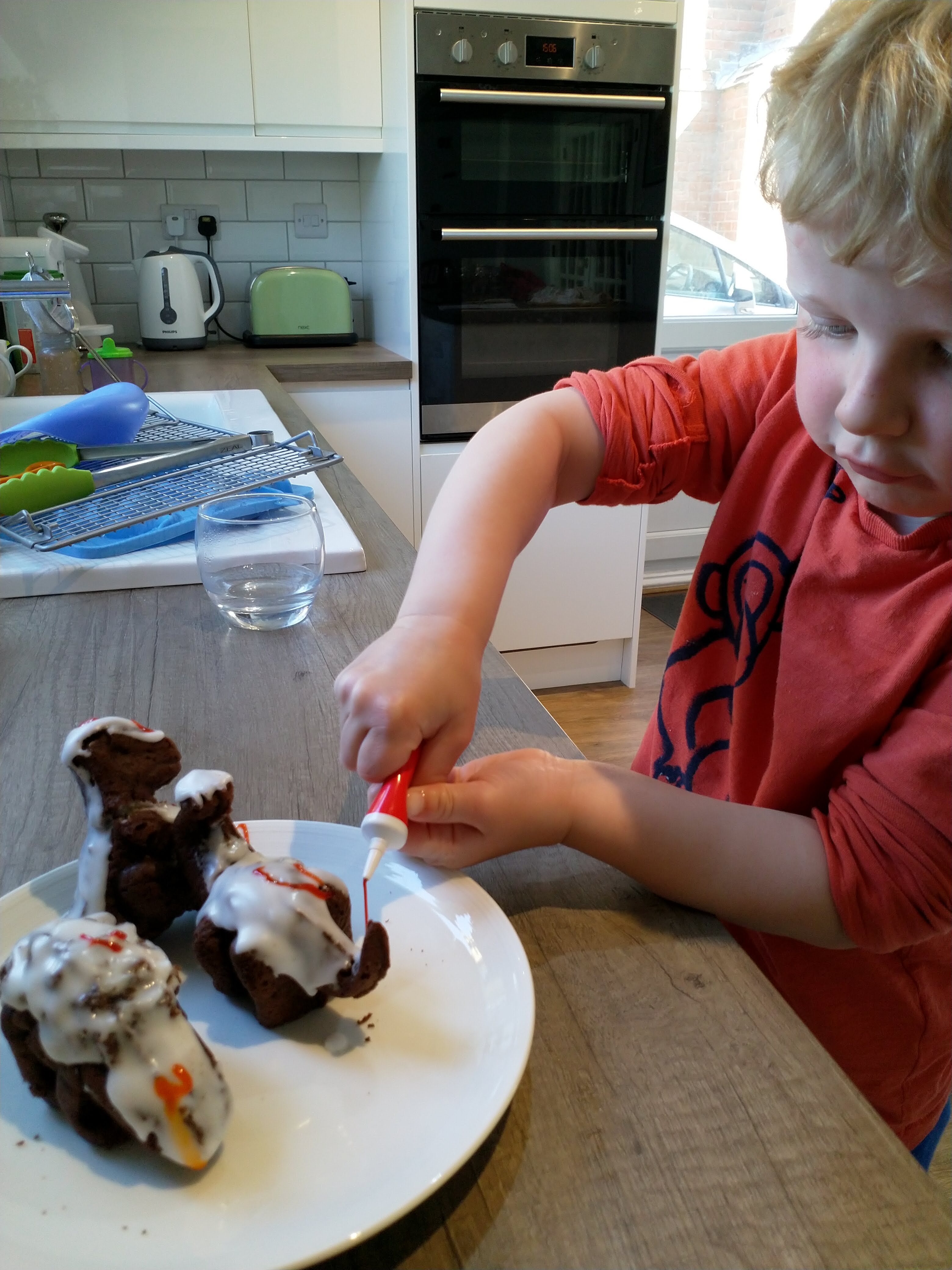
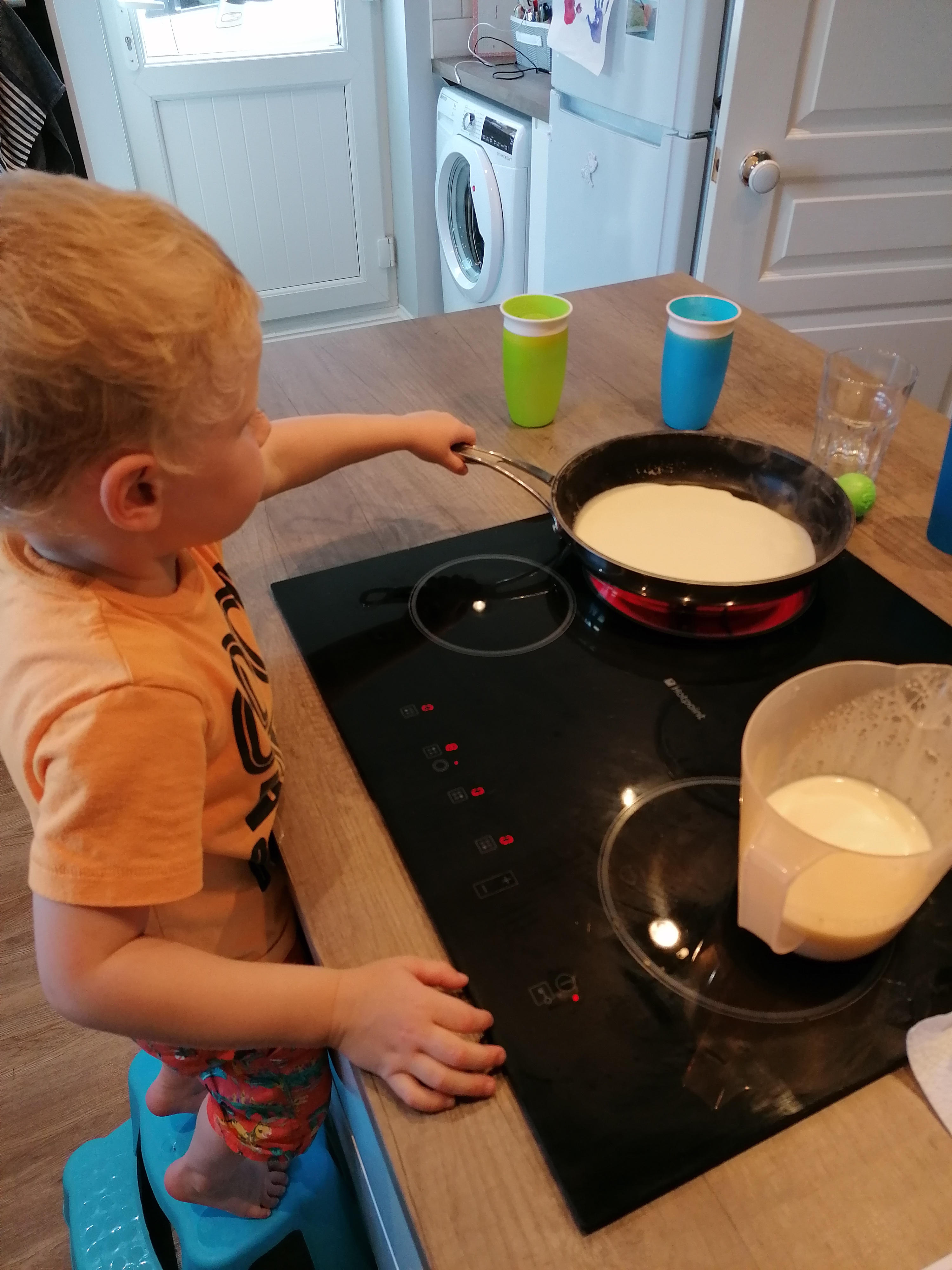
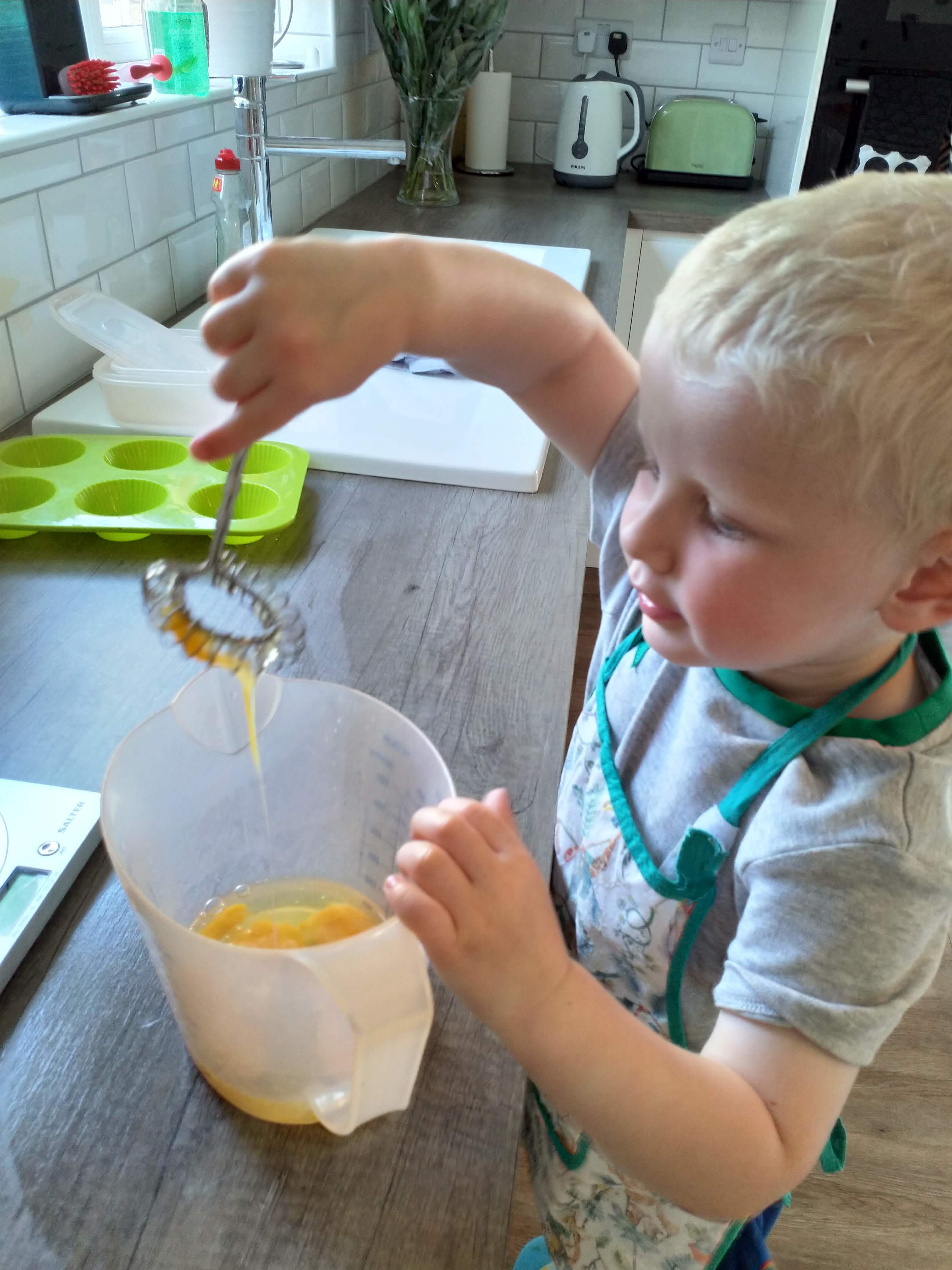
This poem was inspired by our son’s love of baking, cooking, tasting and creating some truly unique dishes!

The Menu

In my kitchen I can make
Chocolate soup, 
Ice-cube pie,
Spaghetti with banana.

Sandwich milk,
Carrot toast
And dinner for a Llama.

Yoghurt eggs,
Avocado cake,
Cereal with jelly.
Bacon Lemonade
And tea served in a welly.

The specials are
Pasta, 
served with broccoli flavoured lollies.

Be sure to bring your appetite,
Your raincoats and your brollies.

The Chapter Book

I have loved writing picture books over the last year – they have proven themselves to be far more complex, exciting and demanding than one might believe of a story, especially one where so much is told through the illustrations and their interaction with the words. 

For now though my picture books are resting – taking a breather and enjoying some space away from my frantic editing and re-writes. I know that for as much as I love my stories we are too close now – like lovers who have spent time in a honeymoon bubble and need some time to step away from one another and remember who they are alone. 

We will reunite once more, perhaps in a few months, with fresh eyes and excitement. Now it’s time to try something new. Creativity does not come from reading and re-reading the same words. It comes from challenging yourself with new ideas, new words and new experiences. From looking at something different and asking questions you haven’t asked yet.

I am currently working on my first chapter book for 7-9 year olds. Just learning this information has taken a disproportionate amount of time in my mind. It transpires that chapter books for children are categorised under two headings – early readers and middle grade. Afterwards you’re moving into Young Adult stories which I’m not grown up enough to write yet. Seems simple enough? Except then you learn that there are different age brackets within early readers and not all agents, publishers or book sellers categorise them in the same way. Mind-Blown. 

If the age range debacle wasn’t enough to get your head around, the gender division within the marketing world of chapter books has left me awake at night with fury. Chapter books – think the Beast Quest series aimed at boys and the Rainbow Magic series aimed at girls. Scary monsters and adventure for boys, fairies and sparkly rainbows for girls. I’m deliberately choosing extreme examples and of course there are a wealth of books which don’t rely on these specific gender extremes but the books are still labelled ‘boy books’ and ‘girl books’ – blue and pink. 

Interestingly, research shows – and this is certainly true of my experience teaching and reading with this age group – that girls will read books aimed at boys but boys are very unlikely to pick up a chapter book marketed for girls. So much so that to find a female lead character in a chapter book aimed at boys is a bit like meeting Santa, whilst cruising through the Bermuda Triangle on the back of a unicorn. 

Would Harry Potter have been as successful as it was if Hermione had been the hero and not the sidekick? Would boys have read that book? Would half of the population have missed out on the awesomeness of Hogwarts because there was a girl in the centre of the front cover?

These are the questions which have kept me awake at night. Looking back at my picture books I realised that Percy, Rufus, The skateboarding Baby, Croc and in fact all of my main characters are male. How did that happen without me realising? Me, who sings of empowering women and the importance of gender equality, how did I miss it? 

Even picture books are gender biased – I’ve read so many picture books with male characters that my brain is on male-character-auto-pilot. Enough is enough. 

I want our daughter (and perhaps even more importantly our son) to grow up reading my books which have amazing, strong, inspiring, awesome characters. I want them to be moved and excited and intrigued. I want them to love my lead characters as much as I do and I want them to see the character first and the gender second. 

Not much of an ask for my first chapter book series then, is it?